


Why Grocery‑Anchored Open‑Air Centers Are Leading Retail Real Estate’s Comeback

The Evolution of Retail Real Estate
From E-Commerce Disruption to Pandemic Fallout
The retail real estate sector has been through a rollercoaster over the past two decades. The rise of e-commerce transformed shopping habits, leading to widespread store closures and declining foot traffic in traditional malls. Then came the COVID-19 pandemic, which exacerbated these trends and accelerated the decline of once-dominant retail formats.
Fragmented Recovery Across Retail Sub-Sectors
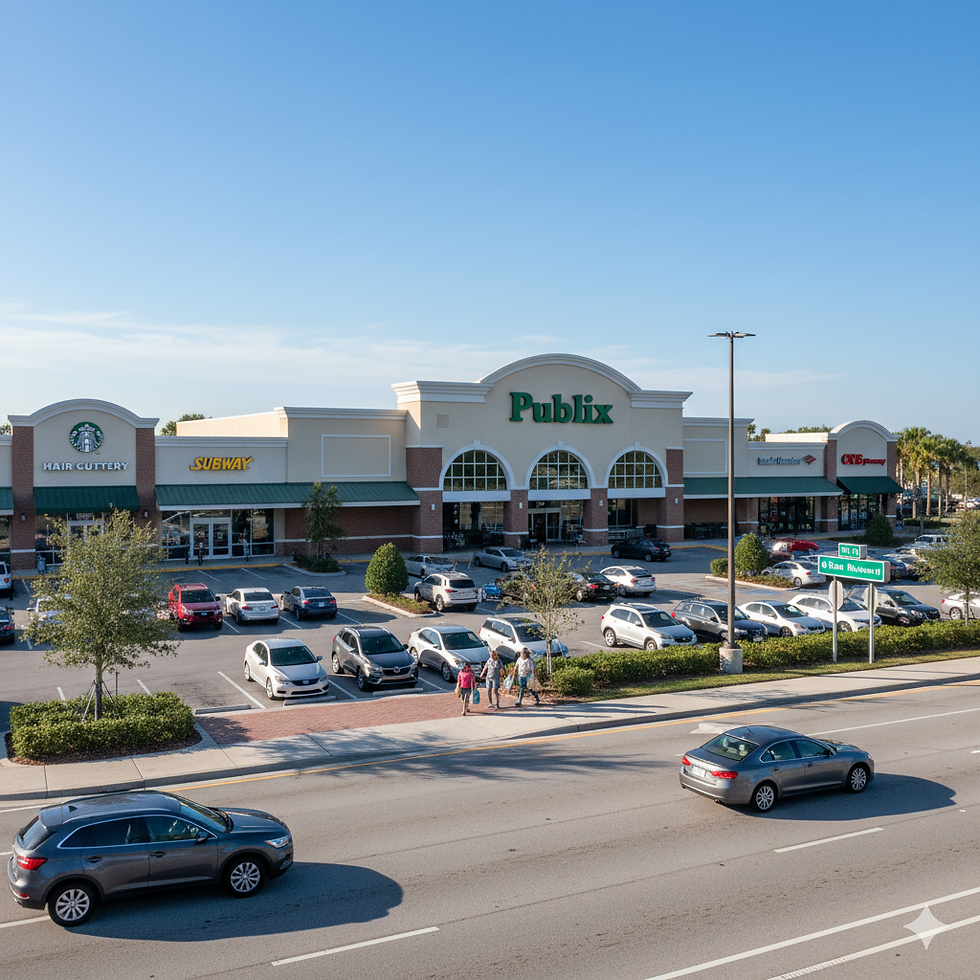
As the world reopened, not all retail spaces rebounded equally. Indoor malls and big-box centers are still navigating challenges, while grocery-anchored open-air strip centers have emerged as resilient and adaptive leaders in this new retail era. Their unique position in serving essential needs has made them a safe bet for both tenants and investors.
Why Grocery-Anchored Open-Air Centers Stand Out
Strong Performance Metrics
The numbers tell a compelling story. Vacancy rates in grocery-anchored open-air centers dropped from 7.8% in early 2016 to just 4.4% by the start of 2024, according to CoStar Group. Within Nuveen Real Estate’s portfolio, such centers boast occupancy rates exceeding 95%, showcasing their strength even during economic downturns.
Resiliency Amid Economic Shocks
These retail centers proved their worth during the toughest of times. They weathered the “Amazon effect” and survived the pandemic because they serve essential functions...groceries, pharmacies, quick-service restaurants, and daily-use services. Consumers continue to visit these spaces regularly, regardless of broader market volatility.
Smart Investment Fundamentals
Grocery-anchored centers are currently trading at capitalization rates that make them attractive for long-term investors. With acquisitions happening below replacement costs, the return on investment is often high and risk-adjusted. Unlike large malls, these centers offer “bite-sized deals” that are more liquid and easier to manage or divest.
Changing Investor Sentiment
A Shift Back to Retail Assets
Once avoided due to declining returns, retail real estate is slowly gaining favor again. A decade ago, real estate portfolios often allocated 30% to retail. That figure dipped to 10% in recent years, but investors are once again exploring retail as performance rebounds. Nuveen has already raised $1.4 billion in equity for convenience-based retail strategies this year alone, translating into over $2.5 billion in buying power.
Market Timing and Undersupply
For years, retail real estate in the U.S. was overbuilt. Today, development is far more disciplined. This has led to an undersupply of desirable properties, which further strengthens the investment appeal of grocery-anchored centers. When a tenant exits, demand ensures rapid backfill, maintaining high occupancy levels.
Caution Flags: Why Selectivity Still Matters
Softening Fundamentals and Rent Growth
Despite their strengths, even these centers aren’t immune to market fluctuations. Rent growth, which was strong in recent years, has now slowed. Vacancy rates have inched upward for three consecutive quarters, though they remain near historic lows. Economic uncertainty, declining consumer confidence, and spending shifts are contributing factors.
Nuveen’s Criteria for Target Investments
According to Chad Phillips, Global Head of Nuveen Real Estate, success in this space requires a highly selective approach. Ideal locations feature average household incomes above $100,000 and are populated by millennials with higher education levels. These demographics are more likely to frequent convenience-based retail, even amid economic pressures.
Conclusion: The Path Forward for Retail Real Estate
Retail real estate may never look the same as it did pre-eCommerce or pre-pandemic—and that’s a good thing. The industry has evolved, and grocery-anchored open-air centers have risen to the top. With low vacancy rates, consistent demand, and favorable investment conditions, they are now viewed as essential, stable assets for long-term growth.
For investors seeking both resilience and opportunity, this sector offers a rare combination of convenience, liquidity, and lasting consumer relevance. As retail continues to redefine itself, it’s clear: the future is open-air.
Frequently Asked Questions (FAQs)
What is a grocery-anchored retail center?
A grocery-anchored retail center is a shopping plaza where a grocery store is the main tenant, surrounded by smaller, complementary businesses like pharmacies, restaurants, and service providers.
Why are open-air strip malls outperforming traditional malls?
They provide essential services, are easier to access, and offer convenience that aligns with modern consumer habits. They also performed well during economic downturns and public health crises.
Are retail real estate investments a good idea in 2025?
Yes, particularly in the grocery-anchored, open-air segment, which offers attractive returns, high occupancy rates, and lower volatility compared to other retail formats.
What should investors look for in retail properties today?
Focus on demographics, income levels, tenant mix, location convenience, and leasing performance. Properties in areas with high income and millennial populations tend to perform better.
How has COVID-19 changed the retail real estate market?
It accelerated shifts toward convenience, essential services, and outdoor retail formats, pushing investors to rethink traditional strategies and focus on more resilient asset types.


Comments